

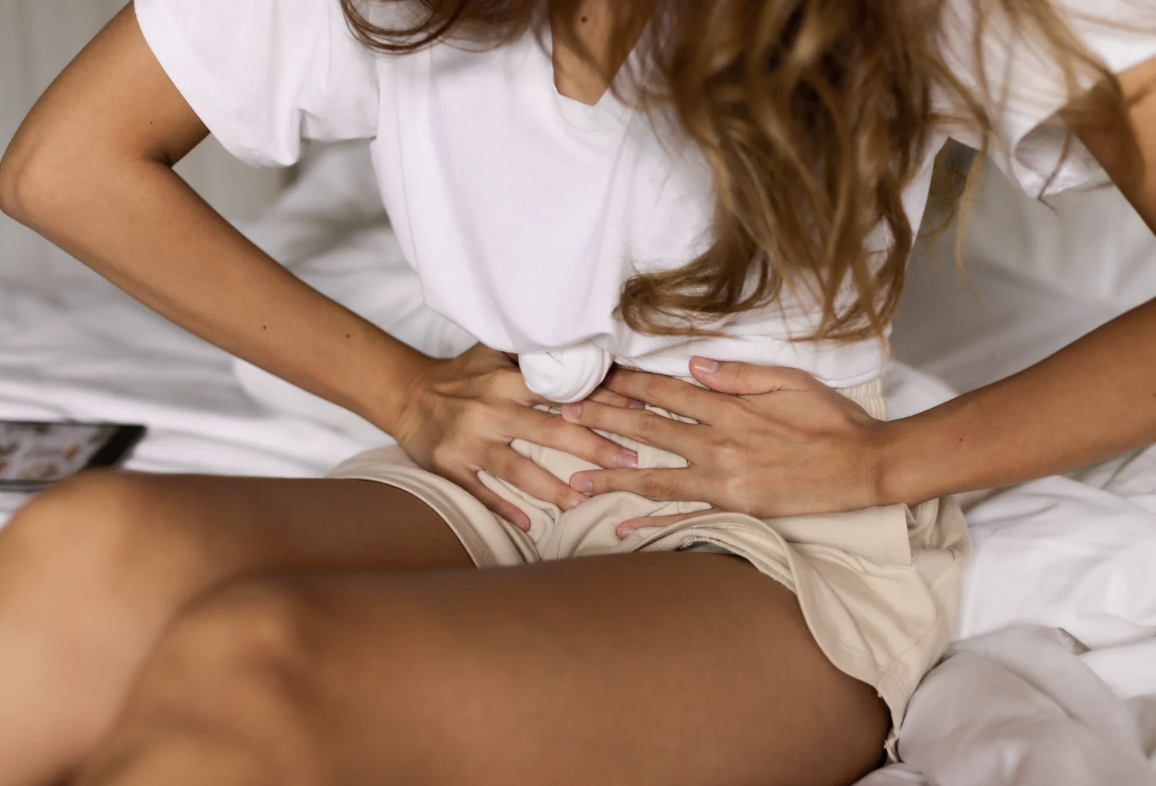
What is period pain?
Period pain, also known as dysmenorrhoea, refers to cramping or discomfort that occurs before or during menstruation. It is caused by contractions of the uterus as it sheds its lining. Period pain can range from mild discomfort to more severe pain that interferes with daily activities. Some people experience period pain occasionally, while others have symptoms with most menstrual cycles.
Symptoms of period pain
Cramping pain in the lower abdomen
Aching or heaviness in the pelvis
Lower back pain
Pain that may radiate into the hips or thighs
Nausea, bloating, or digestive discomfort
Headaches or fatigue
Changes in bowel habits, such as diarrhoea
Pain that begins before or at the start of menstruation and may last several days
Causes of period pain
Period pain occurs when the uterus releases prostaglandins, hormone-like substances that stimulate uterine contractions. Higher levels of prostaglandins are associated with stronger contractions and increased pain. Other contributing factors may include:
Increased uterine sensitivity to prostaglandins
Hormonal fluctuations throughout the menstrual cycle
Stress, which may influence pain perception
Underlying gynaecological conditions, such as endometriosis or adenomyosis
Conditions such as fibroids or pelvic inflammatory disease
In some cases, no clear underlying cause is identified
How period pain is diagnosed
Period pain is commonly assessed by a general practitioner (GP), particularly when symptoms are severe, worsening, or affecting daily life. Assessment usually begins with a detailed medical history, including menstrual cycle patterns, pain severity, timing of symptoms, and any associated symptoms such as heavy bleeding or pain outside of menstruation.
A physical examination may be performed where appropriate. Further investigations, such as pelvic ultrasound, blood tests, or referral to a gynaecologist, may be recommended if there is concern about an underlying condition or if symptoms do not respond to initial management.
How period pain is treated
Management of period pain depends on symptom severity and underlying causes. Treatment approaches may include:
Pain relief medications recommended or prescribed by a GP
Hormonal treatments, such as oral contraceptives, when appropriate
Heat therapy applied to the lower abdomen
Lifestyle approaches, including regular physical activity and stress management
Dietary adjustments where appropriate
From a traditional Chinese medicine (TCM) perspective, period pain is traditionally associated with imbalances in the flow of Qi and Blood, particularly in the lower abdomen. TCM approaches may focus on individualised assessment and may include acupuncture, herbal medicine, and dietary guidance based on traditional principles. These approaches are used alongside, not as a replacement for, conventional medical care.
Ongoing or severe period pain should be assessed by a qualified healthcare practitioner to rule out underlying conditions and guide appropriate care.
If period pain is affecting your comfort or daily activities, you are welcome to book an appointment for a comprehensive assessment and discussion of appropriate care options.