
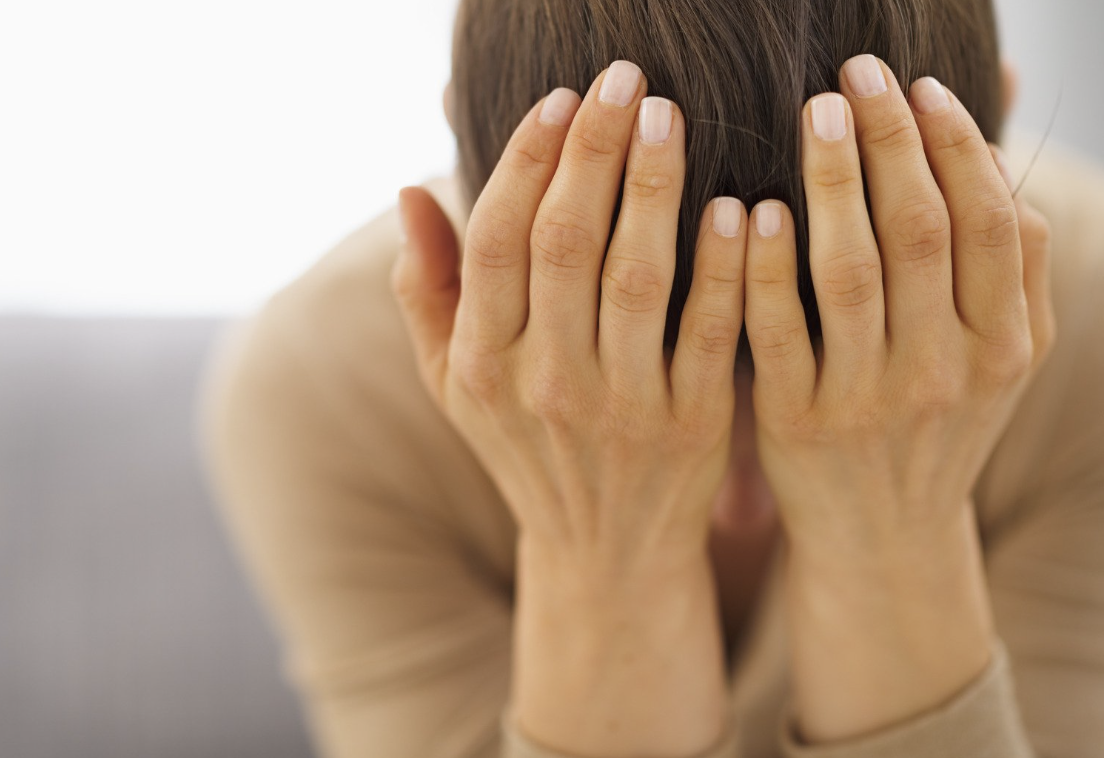
What is stress?
Stress is the body’s natural response to physical, emotional, or psychological demands. It occurs when an individual perceives that the demands placed on them exceed their ability to cope. Short-term stress can be a normal and adaptive response, helping the body respond to challenges. Ongoing or chronic stress, however, may affect physical health, emotional wellbeing, and daily functioning.
Symptoms of stress
Feeling overwhelmed or constantly under pressure
Fatigue or low energy levels
Difficulty concentrating or racing thoughts
Sleep disturbances, such as difficulty falling or staying asleep
Muscle tension, particularly in the neck, shoulders, or jaw
Headaches or digestive discomfort
Changes in appetite
Increased irritability, anxiety, or low mood
Causes of stress
Stress can arise from a wide range of internal and external factors, often in combination. Common contributors include:
Work or study pressures
Financial concerns
Family or relationship difficulties
Health concerns or ongoing medical conditions
Major life changes or transitions
Lack of rest, poor sleep, or inadequate recovery time
High self-expectations or difficulty setting boundaries
How stress is diagnosed
Stress is commonly discussed with a general practitioner (GP), particularly when symptoms are ongoing or affecting daily life. Assessment usually involves a detailed discussion about emotional wellbeing, lifestyle factors, sleep patterns, and physical symptoms. While stress itself is not diagnosed through a specific test, a GP may recommend investigations such as blood tests to rule out medical conditions that can contribute to stress-related symptoms, including thyroid disorders or nutritional deficiencies.
Referral to mental health professionals may be recommended where appropriate, particularly if symptoms suggest anxiety, depression, or other mental health concerns.
How stress is managed
Management of stress focuses on identifying stressors, improving coping strategies, and supporting overall wellbeing. Approaches may include:
Lifestyle adjustments to improve work–life balance
Sleep hygiene and routine support
Stress management strategies such as relaxation techniques or mindfulness
Physical activity to support mental and physical health
Psychological therapies or counselling where appropriate
Medications prescribed by a GP in some cases
From a traditional Chinese medicine (TCM) perspective, stress is traditionally associated with disruption to the smooth flow of Qi, particularly involving the Liver system. TCM approaches may focus on individualised assessment and may include acupuncture, herbal medicine, and dietary guidance aimed at supporting emotional regulation and physical balance. These approaches are used alongside, not as a replacement for, conventional medical care.
Chronic or overwhelming stress should be addressed with appropriate healthcare support to reduce its impact on long-term health.
If stress is affecting your wellbeing or daily functioning, you are welcome to book an appointment for a comprehensive assessment and discussion of appropriate care options.